SVP, Legal & Tax · TeraWulf Inc. (NASDAQ: WULF) · Attorney · CPA

James
Notaris

Primary Role — Full Time
SVP, Legal & Tax — TeraWulf Inc. (NASDAQ: WULF)
Creative Venture
Creator · Writer · EP — The Bitcoin Rebellion
Background
I lived through the 2008 collapse — and the rise of Bitcoin. That contrast reshaped everything.
James Notaris — SVP, Legal & Tax, TeraWulf Inc. (NASDAQ: WULF)
“I didn’t just write
this story. I lived it.”
Current Role
SVP, Legal & Tax · NASDAQ: WULF
Attorney
Attorney at Law
License
Certified Public Accountant (CPA)
Creative Venture
Founder · Sovereign Truth Media LLC
Education
JD — New York Law School
Education
BS Accounting & Finance — SUNY
About

Managing Director · SVP, Legal & Tax
Attorney · CPA

I lived through the 2008 financial collapse — and the rise of Bitcoin. That contrast reshaped how I see money, trust, and financial systems, and drove me to tell a story that still hasn’t been fully told.

As SVP, Legal & Tax at TeraWulf Inc. (NASDAQ: WULF), I lead legal and tax strategy for a public digital infrastructure company designing, building, and operating industrial-scale data centers for Bitcoin mining and high-performance computing, including AI.

I’ve founded, financed, and exited companies, and led transactions across private equity, venture capital, and digital asset markets. Deep experience in Bitcoin, Ethereum, and proof-of-stake systems, with fluency in the legal, tax, and compliance frameworks of institutional capital.

Career Path
Accounting → CPA → Attorney → M&A → Managing Director → PE / VC

My career bridges traditional capital markets and decentralized systems — from inside the institutions that built the system, to the infrastructure that may yet replace parts of it.

That same vantage point is what made The Bitcoin Rebellion possible. The complete 18-year story of Bitcoin — from the 2008 collapse to the present day — written by someone who was on both sides of that history. Not researched. Lived.

Sovereign Truth Media LLC is the production and IP vehicle behind the franchise: a completed feature film, a fully scripted 10-episode series, and a 120,000-word novel. All self-financed. All IP retained.

Ventures

Two Worlds.
One Vision.

Digital Infrastructure · Primary Role · Full Time
TeraWulf Inc.
NASDAQ: WULF · SVP, Legal & Tax

A publicly traded digital infrastructure company designing, building, owning, and operating industrial-scale data centers for Bitcoin mining and High-Performance Computing including AI. I lead all legal strategy, tax structuring, and SEC compliance.

Tax
Strategy, structuring & SEC compliance
M&A
Deal origination through exit
Energy + AI
Digital infrastructure at industrial scale
Visit TeraWulf
Entertainment & Media · Creative Venture
Sovereign Truth Media LLC
Founder & 100% IP Owner · Creator / Writer / EP

The production and IP vehicle behind The Bitcoin Rebellion — a complete, self-financed multi-format franchise. SHOT. CUT. READY. JULY 2026. All IP and other rights owned entirely, 100%.

120K
Word novel — complete and publish-ready
10 Eps
Prestige series — all scripts complete
July
Feature film complete · 2026
Visit The Bitcoin Rebellion
The Bitcoin Rebellion

A Complete Franchise
Built by an Insider.

✓ Feature Film Complete — July 2026 ✓ 10-Episode Series — All Scripts Complete ✓ Novel — 120,000 Words, Publish-Ready ✓ E&O Insurance In Place ✓ All Actors Contracted · Unlimited Rights

The complete 18-year history of Bitcoin, from the 2008 financial collapse to the present day — dramatized by a creator who lived both sides.

The Bitcoin Rebellion — Feature Film Trailer · Sovereign Truth Media LLC

120K
Word Novel
Complete · Publish-ready · All IP and other rights owned entirely, 100%
10 Eps
Prestige Series
All scripts written, formatted, and camera-ready for production
500M+
Global Audience
Crypto participants worldwide who lived every chapter of this story
Entertainment Counsel
Sky Moore · Greenberg Glusker Fields Claman & Machtinger LLP · Hollywood Reporter “Legal Legend” 2019 · Chambers USA 2018–2025 · 45+ years exclusively in entertainment law · Retained March 2026.
From the Film & Pitch Materials

The Rebellion
in Full Detail.

Three fully produced pitch and production slides — the complete ensemble cast, all filmed characters, cinematic story moments, and the production team. Every actor contracted. All filming completed.

The Story · The Production Team
Slide 01 of 03
The Story · The Production Team
James & Amanda Notaris, Director, Producer, Cinematographer. A complete, self-financed franchise.
The Ensemble. Real Figures.
Slide 02 of 03
The Ensemble. Real Figures.
Full cast — all roles filmed. All actors contracted · Unlimited rights.
Shot. Cut. Ready.
Slide 03 of 03
Shot. Cut. Ready.
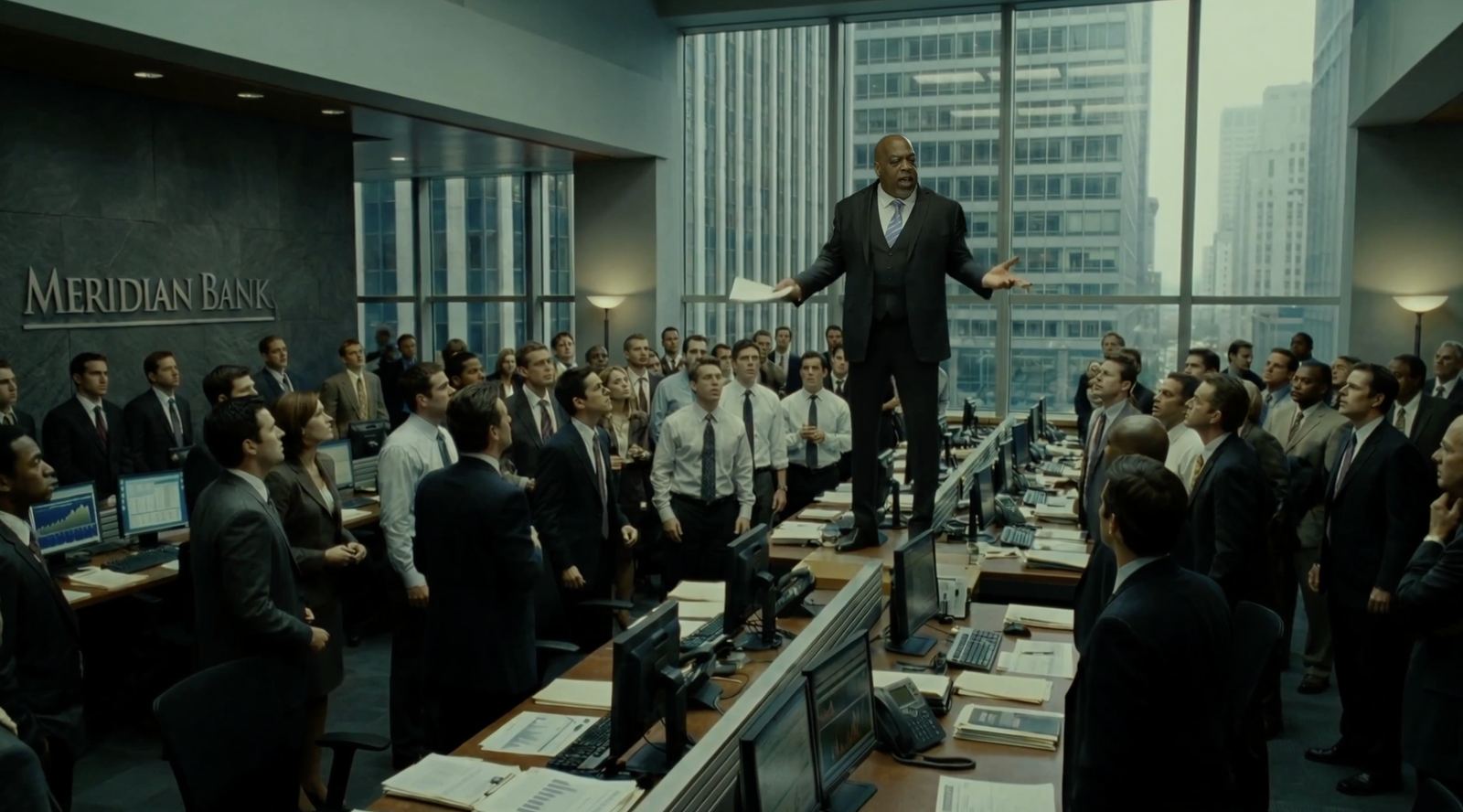
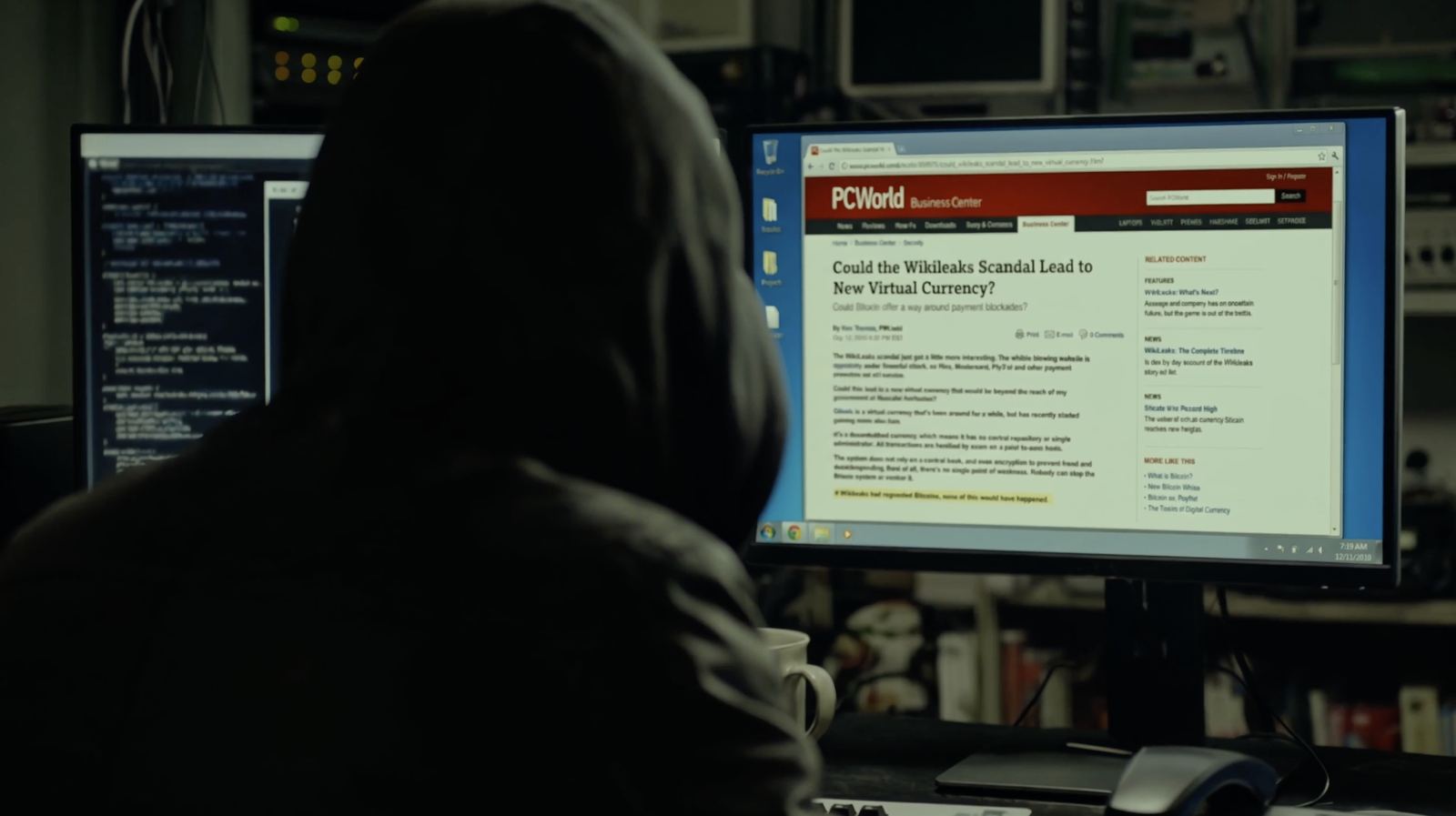
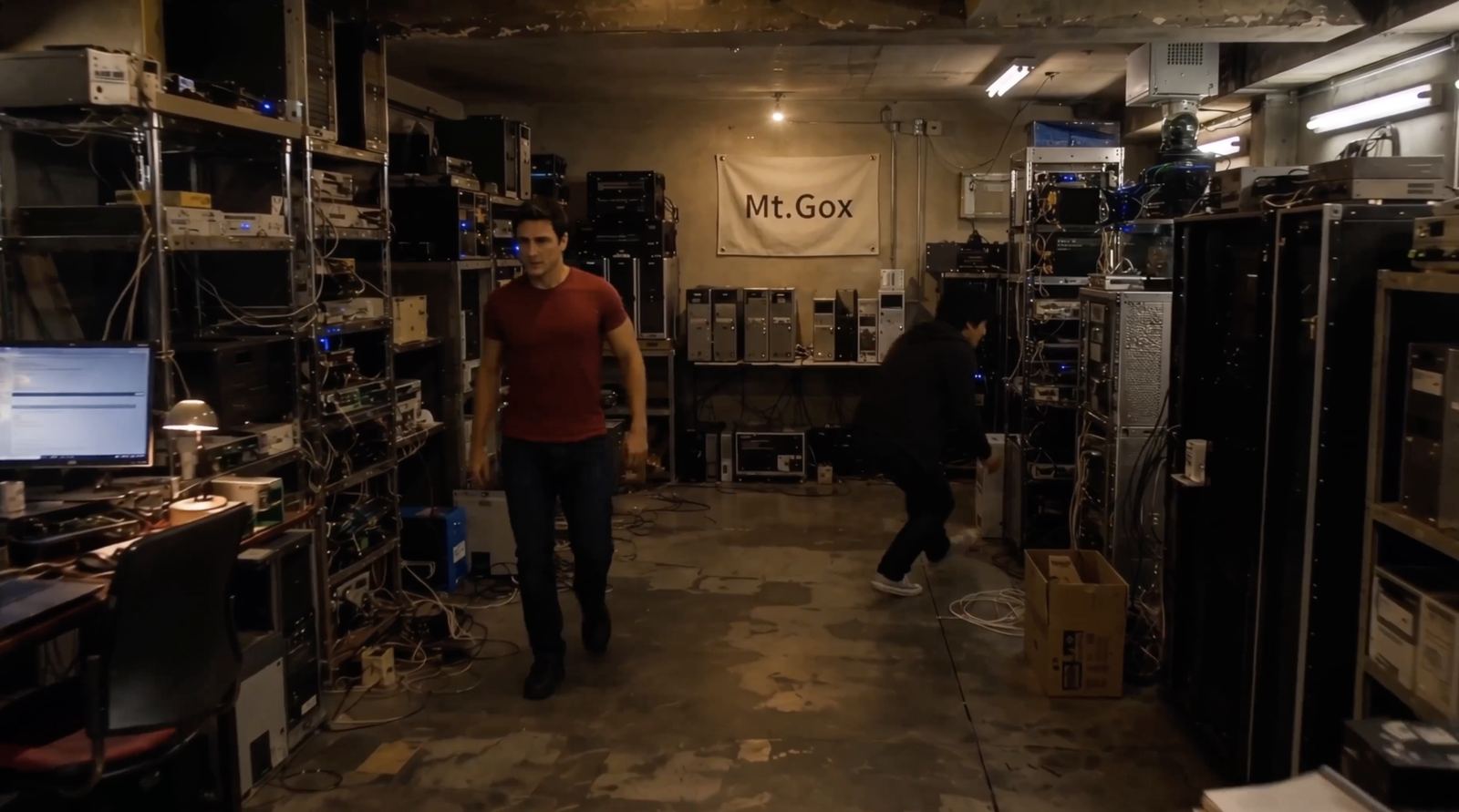
Six cinematic film stills. On-set photography. Real, produced, and complete.
On Set

The Rebellion
on Film.

Self-financed. An 18+ member directing and acting team behind a franchise that includes: a completed premium feature film (July 2026), a 120,000-word completed and publish-ready novel, and a 10-episode series with all scripts complete and filming ready May 2026.

James & Amanda Notaris · Production Team
On Set · In Character
Cast & Crew · On Set
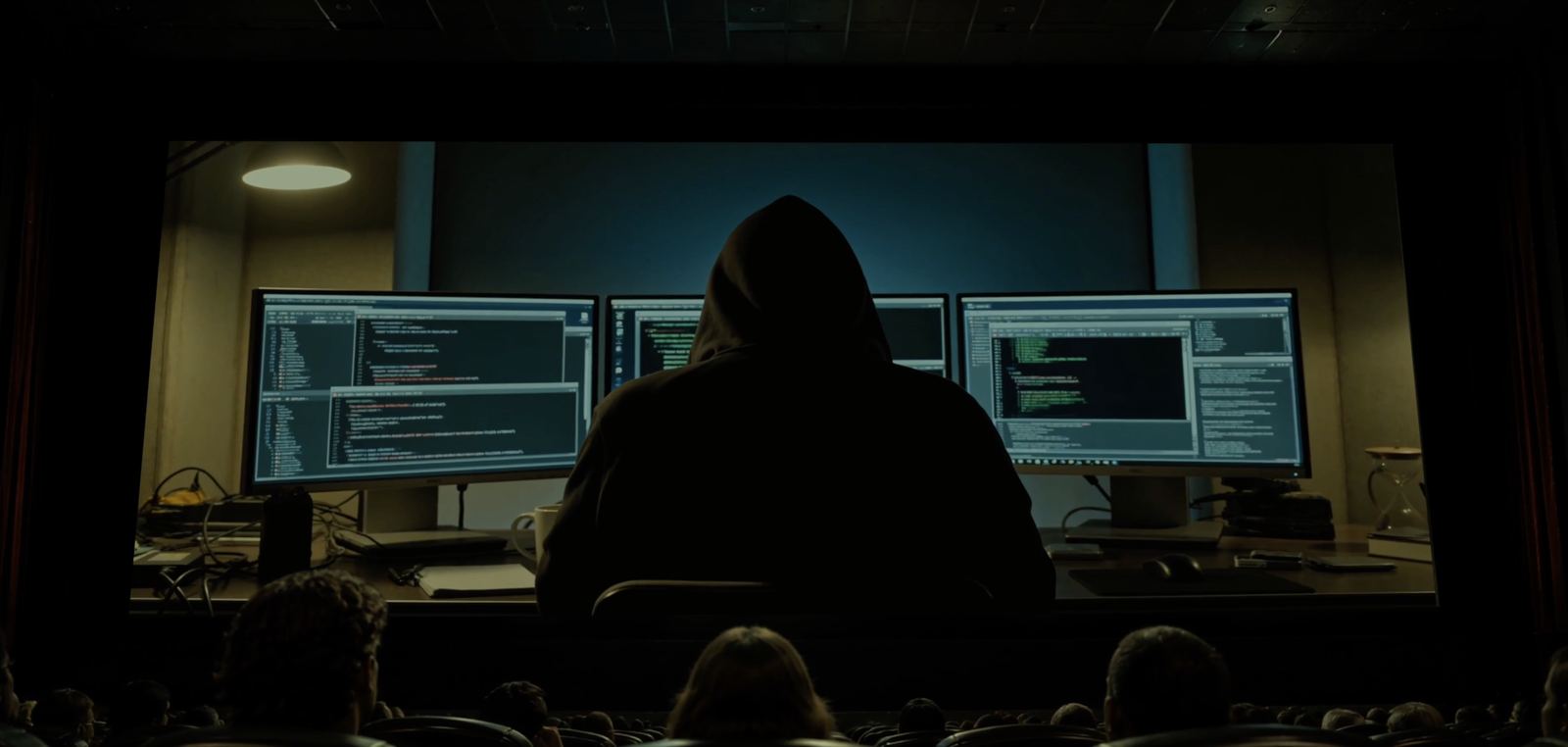
On Set · The Anonymous Figure
On Set · Lead Actress
Professional Production · On Set
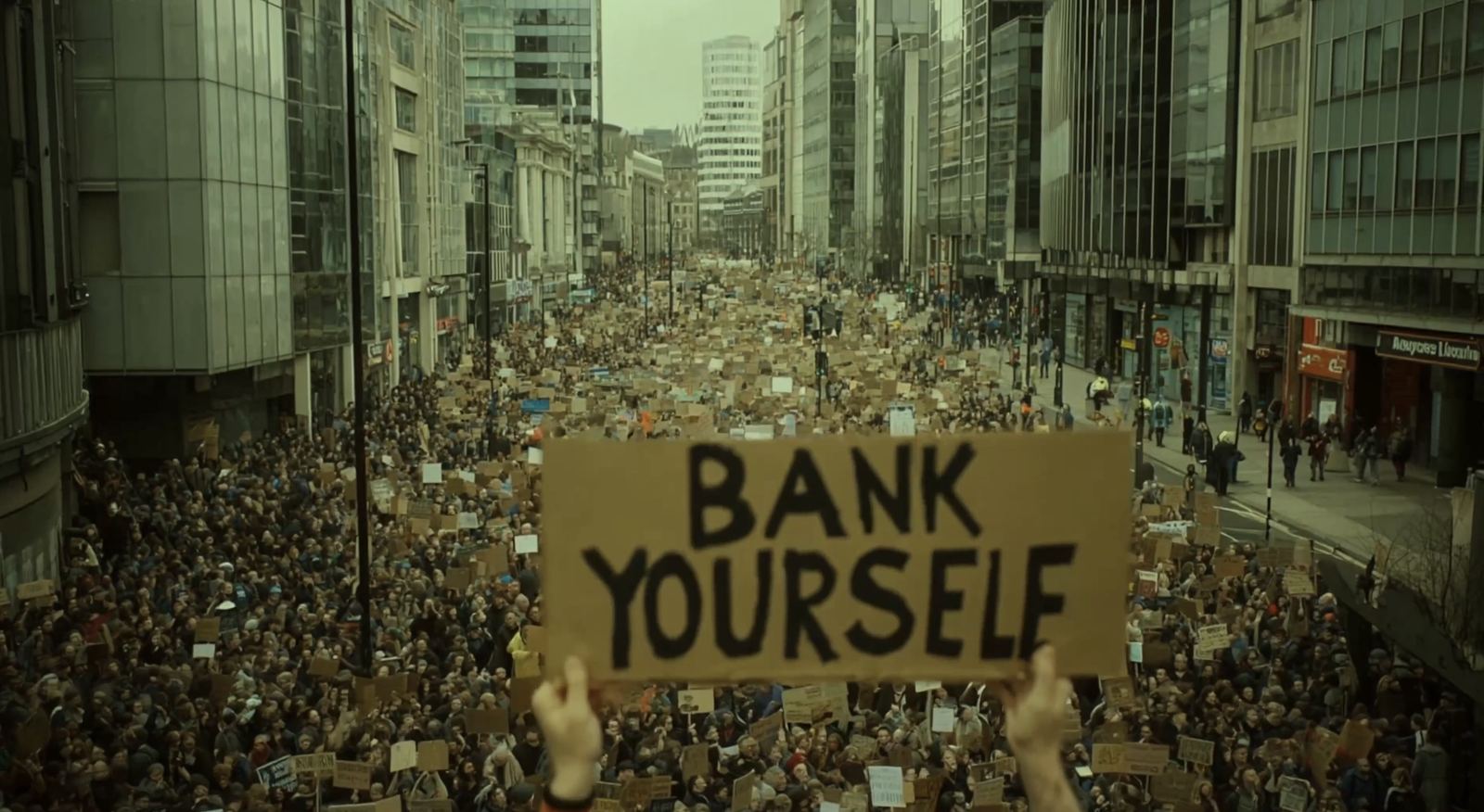
Interview Scene · On Set
On Set · Professional Crew
Family

The Foundation

“Everything built in the office is anchored by what matters most at home.”

Husband and father of four sons.

Husband and father of four sons — one a CPA/attorney, three studying business, programming, and AI at Cornell (Dyson), Boston College (Carroll), and Georgetown (McDonough) — each building something of their own.

Graduation day
Graduation day
Family dinner
Family dinner
On the water
On the water
The twins
The twins
Contact

Get
in Touch

For professional inquiries, speaking engagements, and business development. For The Bitcoin Rebellion franchise inquiries, visit TheBitcoinRebellion.com.

Name
James Notaris (Jim Notaris)
Primary Role
SVP, Legal & Tax — TeraWulf Inc. (NASDAQ: WULF)
Email
Franchise Site
Production Company
Sovereign Truth Media LLC
in  Connect on LinkedIn
Perspectives

On Bitcoin, AI Infrastructure
& Storytelling

What is the business model behind an AI data center landlord?
Rather than operating AI compute themselves, these companies build, own, and operate the physical foundation — the power, the cooling, and the buildings — and lease that capacity to the cloud and AI firms racing to train and run the next generation of models. The economics look less like software and more like industrial real estate: long-term contracts, recurring revenue, and assets tied to something every AI company needs but almost none can build for itself. It is the picks-and-shovels layer of the AI era. Just as the firms that laid the fiber and built the data centers of the early internet quietly underwrote everything that came after, the owners of today's AI infrastructure sit beneath the entire industry — capturing durable value from a transformation the whole economy is only beginning to feel.
How does Bitcoin mining infrastructure differ from data centers built for AI?
Both are power-intensive, but the engineering diverges sharply. Bitcoin mining tolerates variable load and comparatively simple cooling; high-performance computing for AI requires dense GPU clusters, advanced liquid cooling, deep redundancy, and far tighter uptime guarantees. Building or converting a site for AI tenants is a materially more capital-intensive undertaking than mining alone.
Why has electrical power become the real constraint and so important and valuable in the AI buildout?
Artificial intelligence runs on electricity at a scale most people have not yet grasped. A single large AI cluster can draw as much power as a small city, and the limit on how fast the industry can grow is no longer chips or capital — it is whether you can secure enough reliable, affordable power and physically connect it to the grid. That turns large, energy-rich sites with real grid capacity into some of the most valuable assets of the decade. The parallel is electrification a century ago: the breakthroughs of the modern world did not arrive until the power to run them was built first. AI is no different. Whoever controls dependable, low-cost power controls the pace of the entire revolution — and the magic AI promises, from medicine to discovery to everyday tools that feel like science fiction, all of it depends, first, on the current flowing into the building.
What legal and tax issues are unique to digital-asset and data-center companies?
They sit at the intersection of several regimes at once: SEC reporting and Regulation FD, the GAAP treatment of long-term leases and when they commence, state sales-tax exemptions for qualifying data-center equipment, M&A structuring, and a fast-moving body of digital-asset rules. James Notaris focuses on exactly this overlap of tax, securities, and energy law.
What is The Bitcoin Rebellion?
It is a multimedia franchise — a feature film, a ten-episode series, and a novel — that dramatizes the rise of Bitcoin against the backdrop of the 2008 financial collapse. It was created, written, and executive produced by James Notaris through Sovereign Truth Media LLC, told from the vantage point of someone who worked inside finance through both events.
What does it take to build a film and series franchise from the page up?
Far more than a screenplay. A production-ready franchise needs completed scripts in industry format, character bibles, a finished feature, and the legal scaffolding — chain of title, rights clearances, and E&O insurance — that lets a studio or financier act. The Bitcoin Rebellion was developed across all three formats as a single, self-financed package.
How are the 2008 financial crisis and the birth of Bitcoin connected?
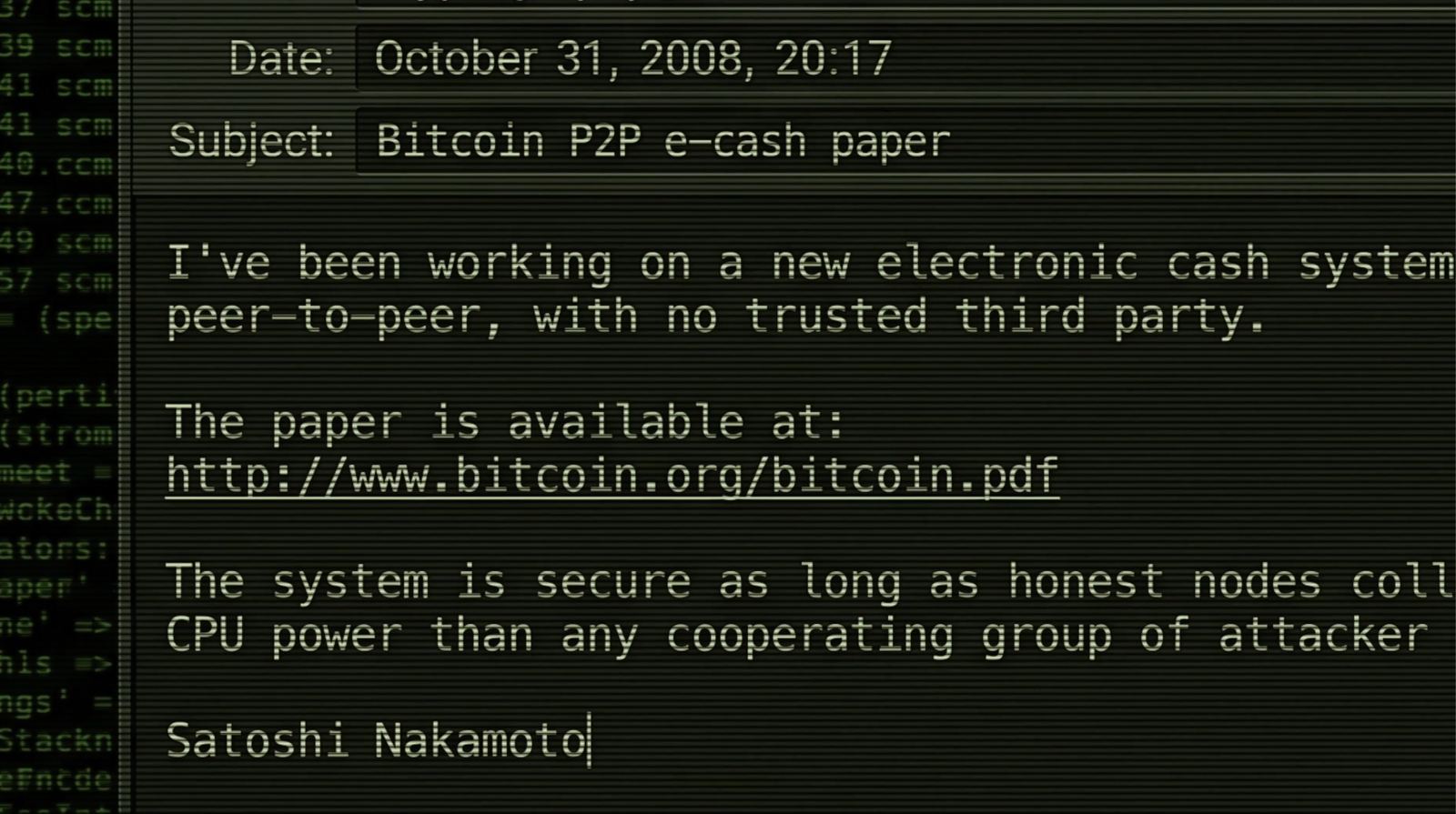
They are inseparable. Bitcoin's first block, mined in January 2009, embedded a newspaper headline about bank bailouts — a pointed response to the failures the 2008 crisis had just exposed. One event was the breakdown of trust in centralized finance; the other, an attempt to build a system that required less of it.
Writings

Essays & Perspectives

On AI infrastructure, digital assets, markets, sports, and the law.

AI Infrastructure
Power Is the New Oil
By James Notaris · May 2026

The popular account of the artificial-intelligence boom is a story about chips. Faster processors, bigger clusters, the race for the most advanced silicon. It is a compelling narrative, and it is incomplete. The binding constraint on how fast this industry can grow is not the chip. It is the electricity to run it and the grid connection to deliver that electricity to the building.

A single large AI training cluster can draw as much power as a small city. Multiply that across the data centers being planned worldwide and the demand curve bends in a way the grid was never built to absorb. You can buy all the accelerators you want; if you cannot energize them, they are inventory, not capacity.

Compute is abundant in theory and scarce in practice, and the thing that makes it scarce is power.

This reorders where value sits. The most valuable asset in the chain is no longer purely the technology. It is the large, energy-rich site with real grid capacity, secured interconnection, and the ability to deliver reliable power at a competitive price. Those sites are finite. Permitting takes years. Interconnection queues stretch out further. Transmission cannot be conjured on a quarterly timeline. Scarcity of this kind does not resolve quickly, and scarcity that does not resolve quickly is exactly where durable value accumulates.

The lesson of electrification

There is a precedent worth sitting with. The defining inventions of the twentieth century did not arrive the moment they were imagined. They arrived once the power to run them had been built. The assembly line, the elevator, the refrigerator, the computer itself: each waited on an electrical grid capable of carrying it. The breakthrough was downstream of the infrastructure, not the other way around.

Artificial intelligence is no different. The models are remarkable, but they are tenants in a physical world that has to be wired first. Whoever controls dependable, low-cost power controls the pace of the entire revolution, because everyone downstream is waiting on the current flowing into the building.

That is why capital is moving toward power the way it once moved toward oil: behind-the-meter generation, repurposed industrial sites with existing electrical infrastructure, long-term energy contracts, and the unglamorous work of interconnection. It is less visible than the latest model release, and considerably more decisive.

The companies that understand this are not asking how to buy the most chips. They are asking how to secure the most power. In the AI era, that is the question that determines everything else.

Digital Infrastructure
The Landlord’s Advantage
By James Notaris · April 2026

There are two ways to participate in the artificial-intelligence buildout. You can operate the compute, buying accelerators and renting them out as cloud capacity, or you can own the physical foundation those operators depend on and lease it to them. The two look similar from a distance. Up close, they are different businesses with different risk profiles and very different durability.

Operating compute is a hard place to stand. The hardware depreciates quickly, the next generation is always months away, and price competition is relentless. You are exposed to technology risk at the most volatile layer of the stack, in a market where today's premium product is tomorrow's discount.

Owning the durable layer

The landlord owns something slower-moving and more defensible: the power, the cooling, and the buildings. That capacity is leased under long-term contracts to the firms racing to train and run the next generation of models. The economics look less like software and more like industrial real estate, with recurring, contracted cash flows tied to something every AI company needs and almost none can build for itself.

The operators fight over a depreciating asset. The owner of the building collects rent through the entire cycle.

History rewards this position with unusual consistency. In the gold rush, the durable fortunes were made selling tools and provisions, not panning for gold. In the early internet, the firms that laid fiber and built the data centers quietly underwrote everything that came after, long after individual applications rose and fell. The pattern repeats because it reflects something structural: infrastructure outlives the products that run on it.

This is not an argument that operating AI compute cannot be lucrative. It is an argument about where risk is concentrated and where value is durable. The landlord converts a volatile technology race into stable, contracted income, and sits beneath the entire industry rather than competing on its most exposed front line.

As the AI buildout matures, the question of who captures the lasting value will not be settled by who had the best model in any given year. It will be settled, in large part, by who owned the ground it ran on.

Markets & Bitcoin
From the Crash to the Blockchain
By James Notaris · March 2026

To understand Bitcoin, you have to start with 2008. Not as background, but as cause. The two are inseparable, and anyone who tries to explain one without the other is telling half the story.

The financial crisis was not, at its root, a failure of mathematics or even of regulation. It was a failure of trust. Trust in the intermediaries who were supposed to manage risk and instead concentrated it. Trust in instruments no one fully understood. Trust in the idea that the institutions at the center of the system would behave as their incentives quietly told them not to. When that trust broke, it broke fast, and the cost was socialized across people who had no part in creating it.

2008 was the breakdown of trust in centralized finance. Bitcoin was the attempt to build a system that needed less of it.

A few months later, in January 2009, the first block of the Bitcoin blockchain was mined. Embedded in it was a newspaper headline about bank bailouts. That was not decoration. It was a thesis. The proposition was simple and radical: a financial system whose integrity did not depend on trusting any single institution to behave well, enforced by rules and mathematics rather than by reputation and regulation.

The arc since

For years, the serious people dismissed it. It was a curiosity, a speculation, a thing that would not last. Then the arc bent. The same institutions that had waved it away began to hold it. Spot exchange-traded products brought it onto the most conventional balance sheets in the world. The asset that was born as a protest against the financial establishment became, in time, a holding of that establishment.

There is an irony in that, but also a lesson. The crisis exposed a problem, and the response was an attempt to engineer the problem away. Whether one views Bitcoin as money, as an asset, or as an experiment still running, its origin is not in doubt. It was a direct answer to a specific failure, written by people who had watched that failure up close.

Having lived through both the collapse and the rise that followed, I find the throughline impossible to ignore. The story of the last seventeen years is, in large part, the story of what happens when trust in a system fails and someone decides to build one that asks for less of it.

Sports & Tax
Game, Set, Tax
By James Notaris · June 2026

Every fan knows the box score. Almost none of them know the tax return — and in professional sports, the tax return is its own brutal competition.

Start with baseball. A major-league season runs 162 games, roughly half of them on the road, scattered across the better part of two dozen states and cities. Here is the part that surprises people: an athlete owes income tax in nearly every place he earns money, which means nearly every place he plays. It is called the jock tax, and it turns a ballplayer into one of the most complicated taxpayers in the country. The income is sliced up by “duty days” — how many of the season’s working days were spent in each jurisdiction — and returns are filed in all of them. A single player can file a dozen or more state returns in one year, plus city taxes in the places that levy their own.

The doctrine has a famous origin. After the Chicago Bulls won the 1991 title, California taxed the visiting players on what they earned in the state. Illinois answered with a reciprocal levy the press cheerfully nicknamed “Michael Jordan’s Revenge.” What started as a feud between two states became standard practice everywhere, and today it quietly shapes the take-home pay of every athlete who travels for a living.

Tennis plays a harder game

If baseball is a fifty-state puzzle, tennis is a global one. A touring professional is not a team employee; she is an independent contractor running a worldwide business, competing in a dozen countries a year and earning prize money, appearance fees, and endorsements in each. That means foreign withholding, tax treaties, and the genuinely thorny question of how much of a global endorsement contract any single country may tax.

When the tax code can keep a champion off the court, it is no longer a footnote. It is part of the game.

Some nations reach further than others. A handful tax not only the prize money won inside their borders but a proportional slice of a player’s worldwide endorsement income, apportioned by how many days the athlete trained or competed there. The consequence is real and public: some of the world’s best players have openly limited their appearances in certain countries because the tax on showing up exceeded the prize for winning.

What it reveals

Both sports expose the same truth: our tax system was built for people who stay put, and it strains when applied to high earners who move for a living. The athlete is just the most visible version of a much larger story — the taxation of mobility — that now reaches remote workers, founders, and anyone whose income follows them across borders.

It is also, frankly, a thrilling problem to solve. The athletes get the highlight reels. The people who keep their finances intact across fifteen jurisdictions never make the broadcast — but they are playing a championship game of their own.

The views expressed in these essays are the author’s own and are offered as general commentary. They do not constitute legal, tax, investment, or accounting advice, and do not represent the views of any company with which the author is affiliated.